How to Run a House League Baseball Season from Start to Finish
Planning Your House League Baseball Season
Running a house league baseball season is one of the most rewarding — and most complex — volunteer roles in youth sports. Whether you're a first-time administrator or a seasoned pro, this guide will walk you through every phase from pre-season planning to the final out.
Phase 1: Registration & Team Formation
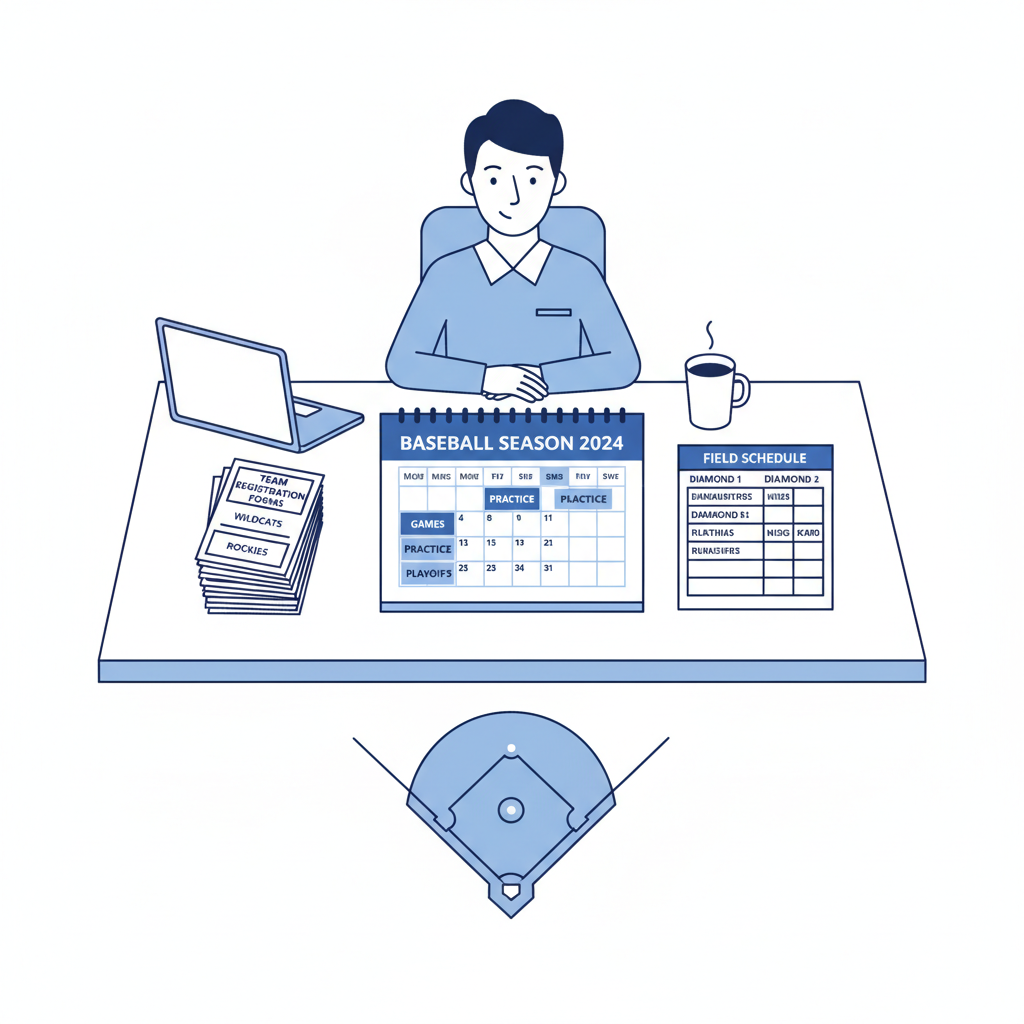
Start registration 8–12 weeks before your first game. Use an online platform to collect player names, ages, parent contacts, and emergency information. Once registration closes:
- Divide players into age divisions (e.g., 7U, 9U, 11U, 13U)
- Balance team sizes — aim for 10–12 players per team
- Assign coaches — verify all coaches have completed background checks
- Distribute equipment — jerseys, helmets, batting gloves by division
Phase 2: Scheduling
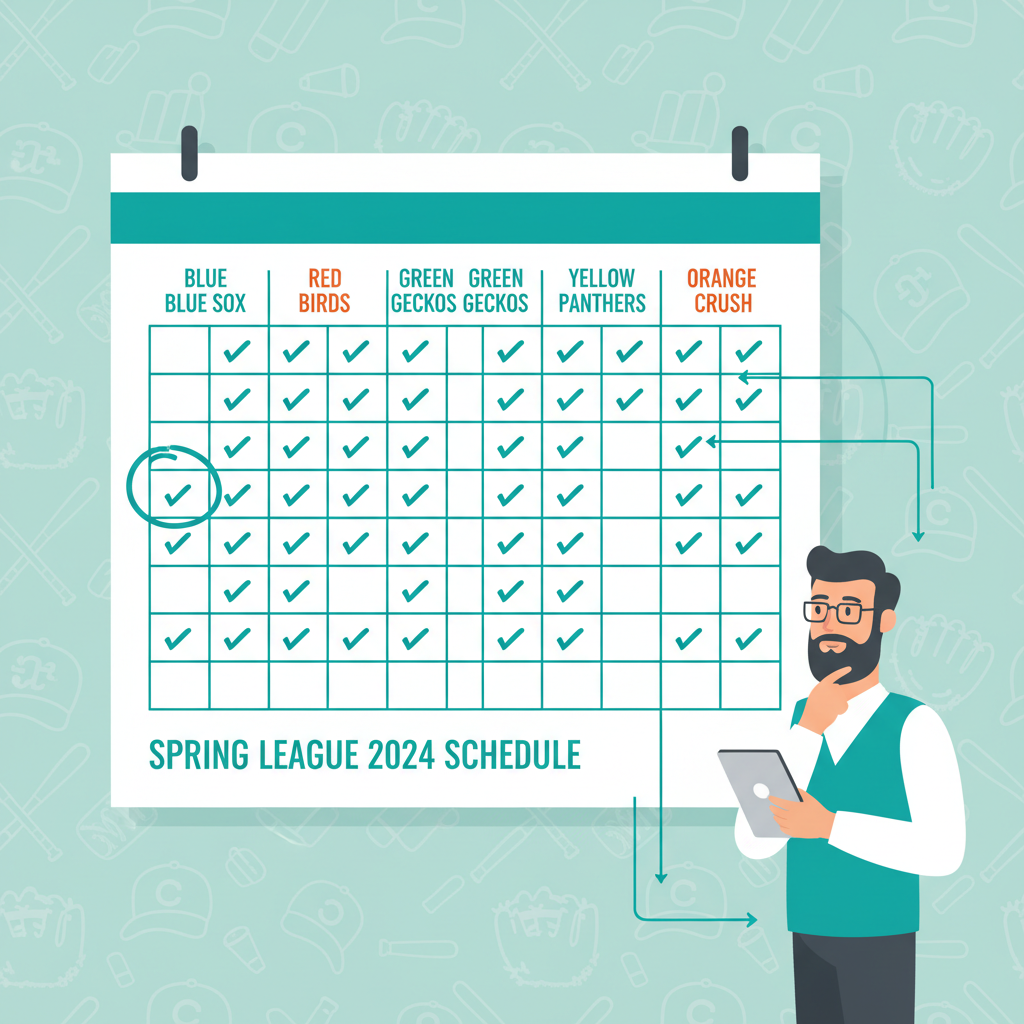
A balanced schedule is the backbone of a fair season. For a typical 8-team division:
- Each team should play every other team at least once
- Schedule 12–16 regular-season games over 10–12 weeks
- Alternate home/away and field assignments
- Reserve 2–3 make-up date slots for weather cancellations
Modern league management software can auto-generate a round-robin schedule in minutes, handle field conflicts, and publish it directly to coaches and parents.
Phase 3: Fair Play Rules Configuration
House league exists to develop players, not just win. Set clear rules before the season starts:
- Pitching limits: maximum innings per game and per week
- Fielding rotation: every player must play infield at least X innings
- Bench time: no player sits more than Y consecutive innings
- Batting order: everyone bats in age-appropriate divisions
Document these rules in writing and share them with every coach at the pre-season meeting.
Phase 4: Running the Season
Once games begin, your main jobs are:
- Communication — send weekly updates to coaches and parents
- Conflict resolution — have a clear escalation path for disputes
- Schedule adjustments — reschedule rainouts quickly to avoid a backlog
- Safety monitoring — check that coaches follow pitching limits
Phase 5: Playoffs & Closing Day
A well-run closing day leaves a lasting impression. Consider:
- A single-elimination or double-elimination playoff bracket
- Individual awards (batting title, most improved, spirit award)
- Team trophies or medals for all divisions
- A BBQ or potluck to bring families together
Using Technology to Simplify Everything
House League baseball management platforms like House League App handle scheduling, score tracking, parent communication, and fair-play rule enforcement automatically. Coaches can record at-bats on their phone, parents get notified of schedule changes, and administrators see everything in one dashboard.
Conclusion
A successful house league season doesn't happen by accident. It takes thoughtful planning, clear communication, and systems that keep everything organized. With the right tools and this roadmap, you'll give hundreds of kids a baseball experience they'll remember for years.
Ready to try House League?
The all-in-one baseball management platform for coaches and league admins.