The Coach's Complete Guide to Baseball Pitching Limits for Youth Players
Why Pitching Limits Are the Most Critical Rule in Youth Baseball
The Tommy John surgery epidemic in youth baseball is real. The American Sports Medicine Institute reports that high pitch counts and year-round throwing are the primary causes of elbow and shoulder injuries in players under 18. House league administrators and coaches have a legal and moral responsibility to protect young arms.
Official Pitch Count Guidelines by Age
The following limits are consistent with Little League International rules and are recommended by the American Sports Medicine Institute:
| Age | Daily Max Pitches | Rest After 66+ |
|---|---|---|
| 7–8 | 50 | N/A |
| 9–10 | 75 | 4 calendar days |
| 11–12 | 85 | 4 calendar days |
| 13–16 | 95 | 4 calendar days |
| 17–18 | 105 | 4 calendar days |
Rest requirements by pitch count (ages 9+):
- 1–30 pitches: 0 rest days
- 31–45 pitches: 1 rest day
- 46–60 pitches: 2 rest days
- 61–75 pitches: 3 rest days
- 76+ pitches: 4 rest days
Warning Signs of Pitching Overuse
Watch for these signals during and after games:
- Decreased velocity (ball isn't moving as fast as usual)
- Drop in accuracy — pitches missing badly
- Player rubbing or favoring the arm
- Complaints of elbow or shoulder pain
- Visible fatigue in mechanics
Golden rule: If in doubt, take them out.
Distributing Pitching Fairly
In house league, pitching shouldn't be concentrated on one or two arms. A healthy rotation:
- 4–5 pitchers per team minimum
- No pitcher works more than 2 consecutive games
- Track season totals, not just game totals
- Let every willing player try pitching during the season
Enforcing Limits During Games
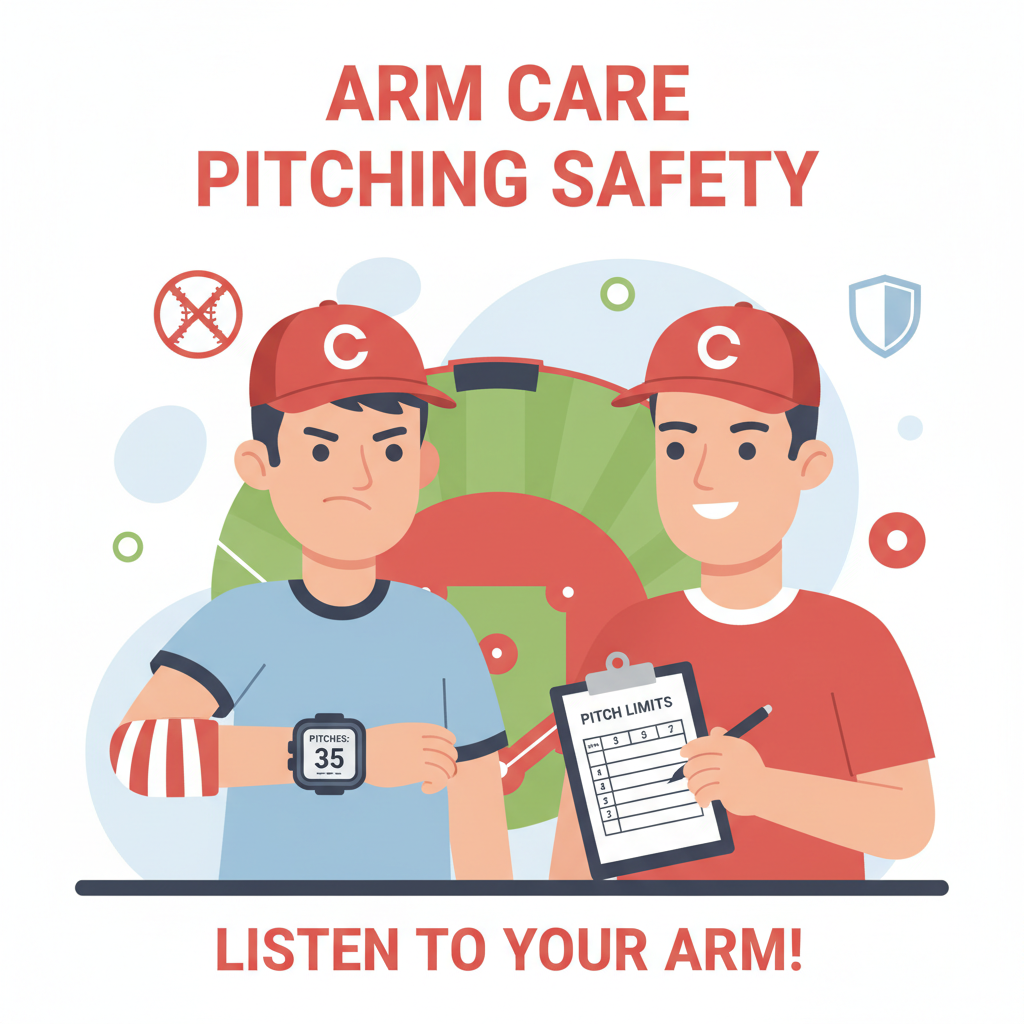
Track pitch counts with a clicker counter and record them in your scorebook or app after each inning. Best practice:
- Both coaches keep independent counts
- Announce pitch counts to parents at end of each inning
- Have a plan for who pitches next before you need them
- Never let pitch count override arm fatigue signals
Technology Solutions
Pitch count tracking apps can:
- Alert you when a pitcher approaches their limit
- Show you how many rest days each pitcher needs
- Flag schedule conflicts (a pitcher used on Day 1 can't pitch again until Day 5)
- Generate season-end reports for injury documentation
Conclusion
Pitching limits feel like a restriction on winning. But protecting a 12-year-old's arm is more important than any game outcome. Coaches who enforce limits consistently create environments where parents trust them — and where kids can pitch safely for a decade to come.
Ready to try House League?
The all-in-one baseball management platform for coaches and league admins.